
Agent Browser connection
Connect Scrapling to the authenticated Scrapeless browser endpoint over CDP.
Connect Scrapling’s dynamic session to Scrapeless Agent Browser. Keep field selection in Scrapling and run the page in a managed browser.

Scrapling is a Python framework for web scraping. Its fetchers and selectors let you retrieve pages, handle dynamic content, and extract the fields your application needs.
Scrapling connects to Scrapeless Agent Browser over CDP. These capabilities belong to the remote browser service; your framework keeps control of the task.
Connect Scrapling to the authenticated Scrapeless browser endpoint over CDP.
Scrapeless runs the browser and JavaScript; Scrapling controls page navigation and the content your task extracts.
Configure the browser session’s supported proxy options, such as its proxy country, on the Scrapeless connection.
Create a remote session for the task, control its lifetime, and close it when your work finishes.
Inspect an active Scrapeless browser session while your Scrapling task runs.
Enable session recording when needed and review the recorded run after the browser task.
Pass the Scrapeless endpoint to DynamicSession. Use Scrapling to fetch pages and apply your selectors within the remote browser session.
Scrapling keeps its own selectors and adaptive extraction.
A Scrapeless API key and authenticated browser endpoint. Python with Scrapling dynamic fetchers. A known public page for the first test.
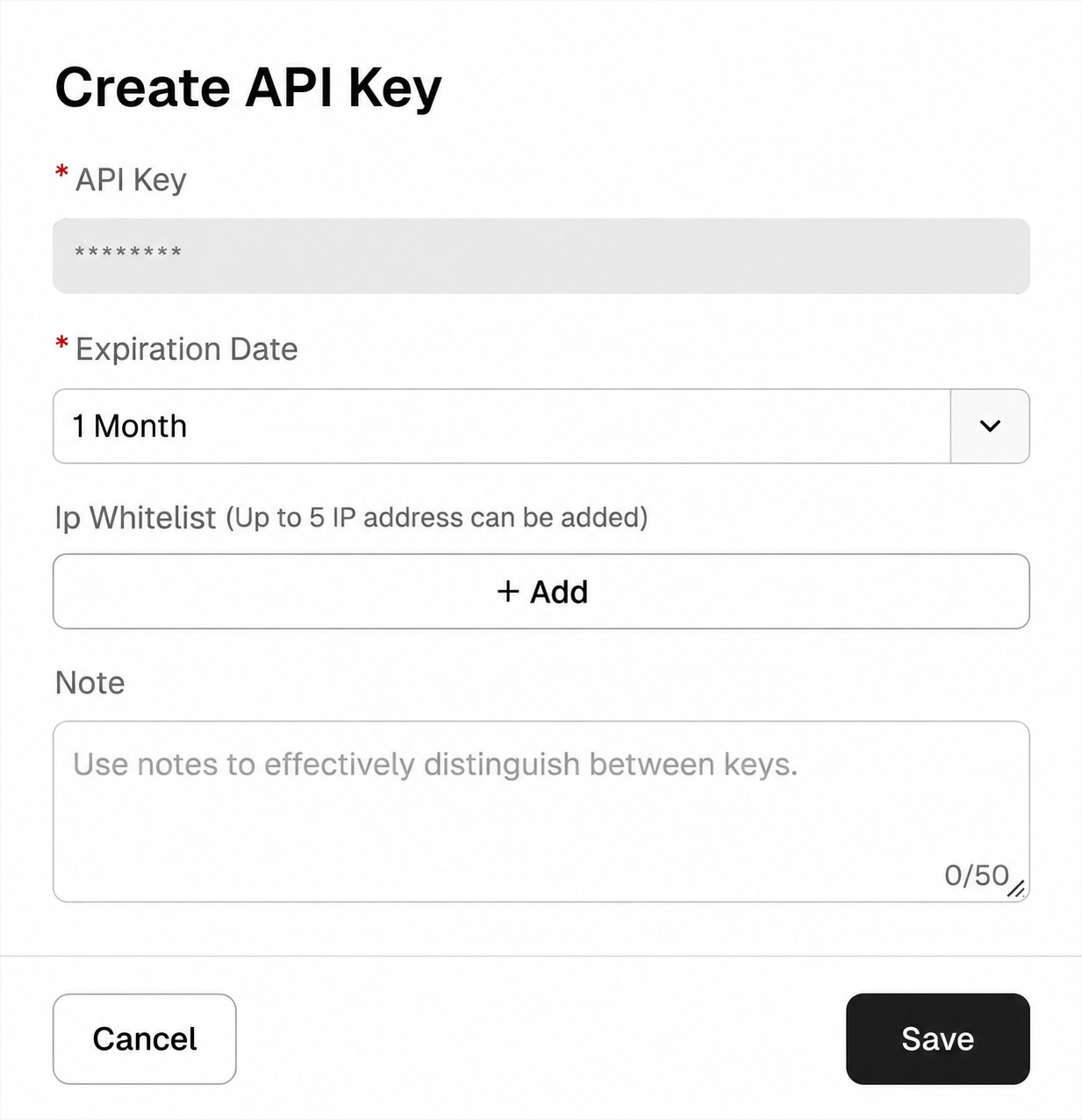
Get your Scrapeless API key and build the documented WebSocket endpoint with the browser session options you need.
Ready to get started? Create your Scrapeless account →
Install the required Scrapling fetcher dependencies, then pass the Scrapeless WebSocket endpoint into DynamicSession through cdp_url.
Start with a known public page. Check the returned title, content, or task result, then close the session when the task ends.
Open a page such as example.com through Scrapeless Agent Browser. Connect Scrapling over CDP, run your page-reading logic, and inspect the returned content before passing it to your application.
Scrapling{
"url": "https://example.com",
"html": "<h1>Example Domain</h1>\n<p>This domain is for use in documentation examples.</p>"
}Bring search, scraping, and browser automation into the tools you already use.