What Are Open Proxies: Benefits, Risks, and Safe Practices

Specialist in Anti-Bot Strategies
Boost your automation and scraping with Scrapeless Proxies — fast, reliable, and affordable.
Discover open proxies: easy and anonymous web access without authentication, yet facing significant security and reliability challenges.
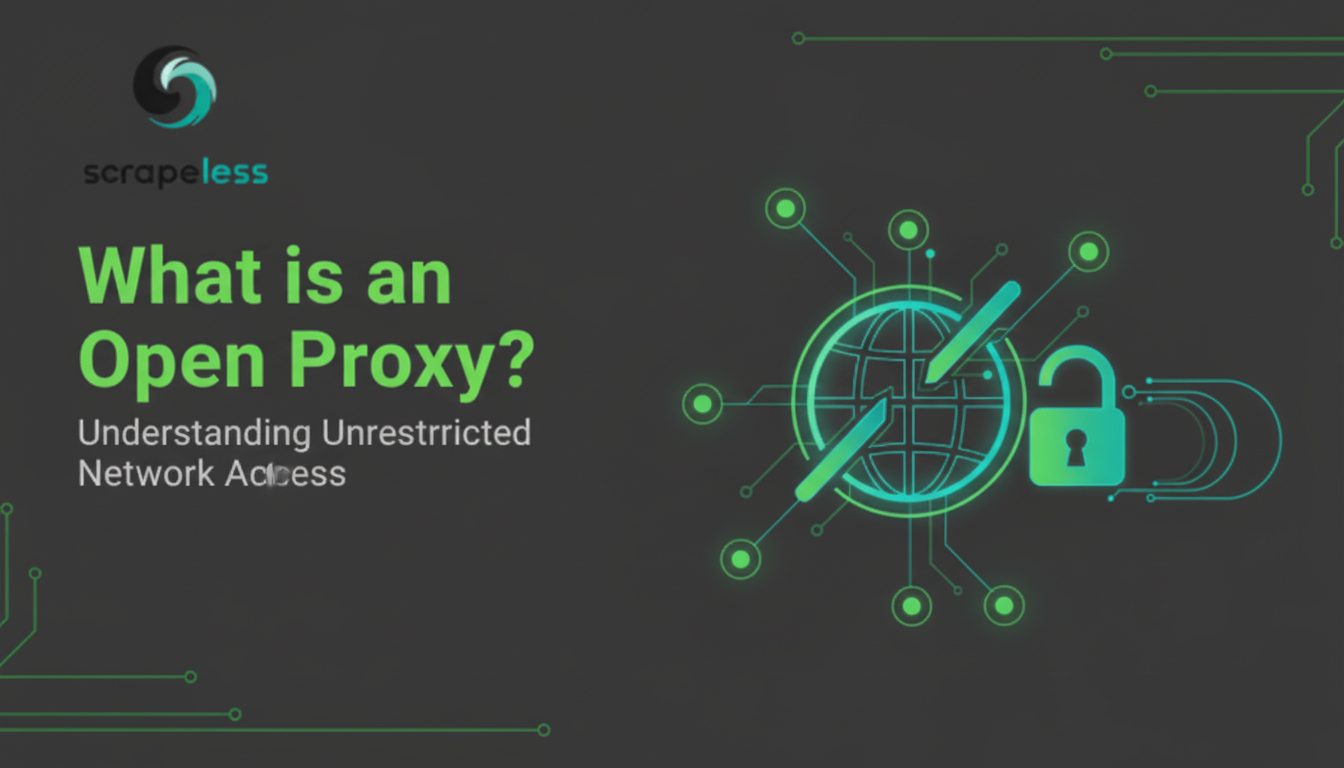
An open proxy is a proxy server that is accessible to any internet user. Unlike private proxies, which require authentication or are restricted to a specific user or network, open proxies are intentionally or unintentionally left open to the public internet, allowing anyone to route their traffic through them without the need for any type of authentication.
While open proxies offer a simple path to anonymize web access, they come with a unique set of features, advantages, and, most importantly, significant risks that users must understand.
Features of Open Proxies
The defining feature of an open proxy is its accessibility.
- No Authentication Required: Users can freely route traffic from their clients to the end servers via a third-party open proxy that will provide some level of anonymity.
- Public Accessibility: These proxies are open to the Internet so that anyone can use them with minimal restrictions.
However, the performance of traditional, dedicated proxies is typically much better compared to open proxies due to the limited number of users and specialized use cases they are designed for.
Advantages of Open Proxies
Despite the risks, millions of users opt to use open proxies daily due to certain distinct advantages:
- Bypassing Restrictions: Open proxies enable users to bypass internet censorship imposed by governments, organizations, or ISPs. Users can access geo-blocked content, evade network filters, or circumvent restrictions on certain websites or services 1.
- Free of Charge: Open proxies are typically offered for free, making them accessible to a wide range of users without any subscription fees or payment requirements.
- Increased Privacy via Proxy Rotation (Sometimes): Some open proxies may offer proxy rotation features, automatically changing the IP address of the proxy server used by the user at regular intervals. This enhances anonymity and makes it more difficult for websites and online services to track users’ online activities.
- Proxy Chaining (Cascading Proxies): Some open proxies support proxy chaining, which involves routing internet traffic through multiple proxy servers in succession. This technique adds layers of obfuscation to the user’s connection, enhancing anonymity.
Disadvantages of Open Proxies
The deployment and design of open proxies lead to several noteworthy disadvantages that users must consider:
- Limited Reliability: Open proxies can be highly unreliable due to factors such as server overloading, network congestion, and a lack of maintenance. Since they are often operated without dedicated resources, they may experience downtime or server outages without warning.
- Lack of Security: Open proxies pose significant security risks due to their inherent lack of authentication and control mechanisms. Without proper security measures, they can be vulnerable to various threats, such as malware injection, data interception, and unauthorized access.
- No Guarantee of Anonymity: Although open proxies are used for anonymity, there is no certain guarantee provided by most operators. Many open proxies are operated by individuals or organizations without clear privacy policies or logging practices. This means the proxy provider may log users’ browsing activities, inadvertently compromising their privacy.
- Limited Functionality: Open proxies often lack advanced features such as strong encryption, comprehensive protocol support, and customizable settings that are standard in premium or private proxy services.
Managing Open Proxy Risks
For users who choose to use open proxies, or for organizations seeking a more secure alternative, managing the associated risks is crucial.
1. Opting for Reputable Proxy Services
The most effective way to mitigate the risks of open proxies is to choose established and reputable proxy services. These services, such as Scrapeless, offer a robust alternative by providing the same advantages as open proxies but with heightened security, reliability, and privacy.
Scrapeless offers a worldwide proxy network that includes Residential, Static ISP, Datacenter, and IPv6 proxies, with access to over 90 million IPs and success rates of up to 99.98%.
- Security: Reputable services prioritize security measures, such as encryption, authentication, and clear logging policies, to protect users’ data and privacy.
- Reliability: They have dedicated resources and infrastructure to ensure high uptime and consistent performance, unlike the unpredictable nature of open proxies.
- Anonymity: Residential proxies, in particular, offer a far superior level of anonymity by using real ISP-assigned IP addresses, making them virtually undetectable by anti-bot systems 2.
2. Safe Practices for Open Proxy Use
For users who still choose to use open proxies, the following practices can help manage risks:
- Using Encrypted Connections: Always utilize encrypted connections, such as SSL/TLS encryption or VPN protocols, when accessing open proxy services to protect sensitive data from interception 3.
- Verifying Logging Policies: Review and verify the logging policies of any open proxy service to ensure transparency and accountability. Choose services with minimal logging practices.
- Limiting Usage: Restrict the use of open proxies for sensitive or official business purposes to minimize the risk of data leakage or compliance violations.
Conclusion
Open proxies offer a free and accessible way to gain a degree of anonymity and bypass geo-restrictions. However, their inherent lack of security, limited reliability, and uncertain logging policies make them a risky choice for any serious data collection or privacy-sensitive task. For robust, secure, and reliable proxy solutions, a premium provider like Scrapeless offers the necessary infrastructure to ensure your traffic remains private and your operations are successful.
References
1 Electronic Frontier Foundation (EFF) - Internet Censorship
2 Cloudflare - What is a Proxy Server?
3 TechTarget - SSL and TLS Definition
4 Scrapeless - Proxy Solutions
5 ScrapingBee - Web Scraping Best Practices
At Scrapeless, we only access publicly available data while strictly complying with applicable laws, regulations, and website privacy policies. The content in this blog is for demonstration purposes only and does not involve any illegal or infringing activities. We make no guarantees and disclaim all liability for the use of information from this blog or third-party links. Before engaging in any scraping activities, consult your legal advisor and review the target website's terms of service or obtain the necessary permissions.